
Did you know that over 65% of dog owners actively look for ways to improve their dog’s diet through whole foods? Sardines are one of the most talked-about options. They are small, affordable, and packed with nutrients your dog actually needs. But are they truly safe? Here is everything you need to know before you open that tin.
Are Sardines Safe for Dogs to Eat?
Yes, dogs can eat sardines. These small, oily fish are safe and nutritious when served the right way. The key is knowing which type to choose and how much to give.
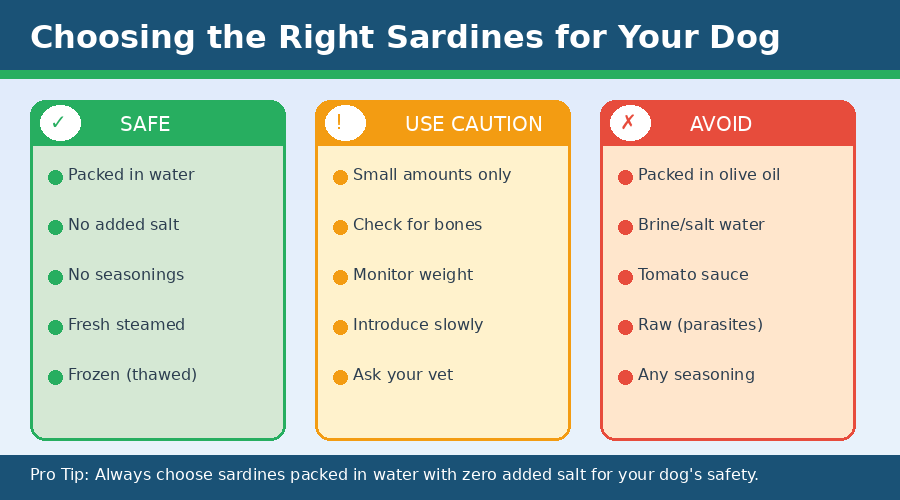
Sardines packed in water with no added salt are the best option. Avoid those packed in oil, brine, tomato sauce, or any seasoning. The extra fat and sodium in those varieties can cause stomach upset, weight gain, or worse.
What Makes Sardines a Smart Choice?
Sardines sit low on the food chain. That means they carry far less mercury than larger fish like tuna or mackerel. They are one of the safest fish you can add to your dog’s meal plan.
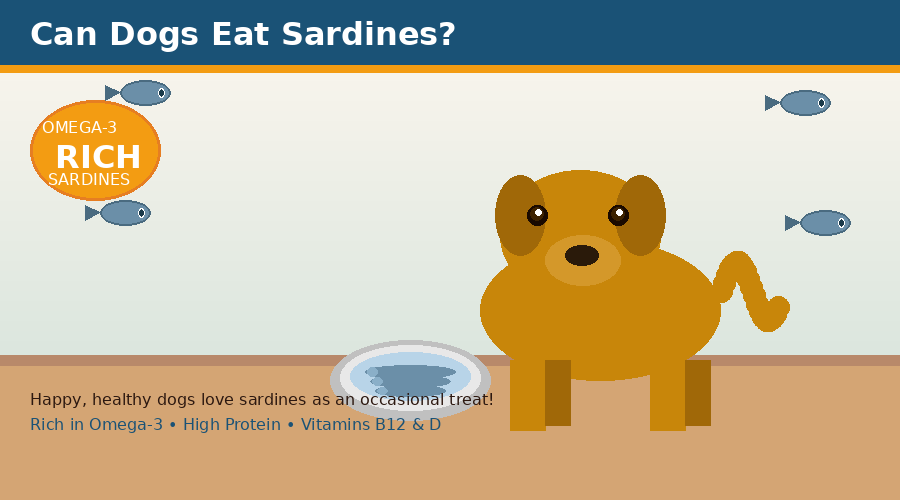
7 Real Health Benefits of Sardines for Dogs
Sardines are not just a tasty treat. They deliver real, measurable nutrition across multiple body systems.
1. Omega-3 Fatty Acids for Skin, Coat, and Joints
Sardines are rich in omega-3 fatty acids. These healthy fats support brain function, eye health, and reduce joint inflammation. If your older dog struggles with stiff joints, sardines may help ease that discomfort naturally.
2. High-Quality Protein
Sardines are a complete protein source. That means they contain all the essential amino acids your dog’s body needs to build muscle, support tendons, and keep skin in good shape.
3. Vitamins B12 and D
Vitamin B12 supports your dog’s nervous system and energy levels. Vitamin D helps regulate calcium and phosphorus, which are both important for strong bones.
4. Coenzyme Q10 for Heart Health
This antioxidant supports your dog’s heart, liver, brain, and even dental health. It is not commonly found in standard dog food, making sardines a genuinely useful addition.
5. Calcium and Phosphorus
The soft bones in canned sardines are safe to eat and actually deliver natural calcium. This supports healthy bone development in puppies and maintains bone strength in adult dogs.
6. Iron for Energy
Sardines are a solid source of iron, which helps transport oxygen through your dog’s blood. This keeps energy levels steady throughout the day.
7. Anti-Inflammatory Properties
The omega-3s in sardines actively reduce inflammation throughout the body. This is helpful for dogs with skin allergies, itchy coats, or chronic joint pain.
How Many Sardines Can You Give Your Dog?
Moderation matters. Sardines should make up no more than 10% of your dog’s daily food intake. A simple starting guide:
| Dog Size | Serving Size | Frequency |
|---|---|---|
| Small (under 10 kg) | ½ small sardine | 2–3 times per week |
| Medium (10–25 kg) | 1 small sardine | 2–3 times per week |
| Large (25–40 kg) | 2 small sardines | 2–3 times per week |
| Extra Large (40 kg+) | 3–4 small sardines | 2–3 times per week |
Start slow. Introduce sardines in a small amount first and watch for any digestive changes over the next 24 hours.
What Are the Risks of Feeding Sardines to Dogs?
Sardines are generally safe, but there are a few situations where you need to be careful.
Choking Risk from Bones
Fresh sardines can have larger, harder bones that pose a choking hazard. Always check fresh fish and remove big bones before serving. Canned sardines are pressure-cooked, so their bones soften and are much less of a concern. Still, supervise your dog while eating.
Weight Gain if Overfed
Sardines are naturally fatty. Feeding too many too often can lead to unwanted weight gain. If your dog is already overweight, choose sardines packed in water and cut back on other treats to balance the calories.
Risk for Dogs with Pancreatitis
Dogs that have had pancreatitis or are prone to it should avoid sardines. The fat content, even healthy fat, can be difficult for these dogs to process and may trigger a flare-up.
Allergic Reactions
Some dogs are allergic to fish. If you have never fed your dog sardines before, offer a very small amount and watch for signs like vomiting, diarrhea, itching, or swelling. Stop immediately and contact your vet if you see these signs.
Sodium in Canned Varieties
Many canned sardines contain added salt. Too much sodium is harmful to dogs and can raise blood pressure. Always read the label and choose options with zero added salt.
Fresh vs. Canned vs. Frozen Sardines — Which Is Best?
Fresh Sardines are the most nutritious. They should be cooked by steaming rather than frying. Remove large bones before serving and never add any oil, salt, or seasoning.
Canned Sardines are the most convenient option. Choose those packed in water with no added salt. Avoid brine, tomato sauce, or olive oil varieties. You can serve them as-is or mix them into your dog’s regular food.
Frozen Sardines are a good middle ground. Thaw them completely before serving to avoid choking and make them easier for your dog to chew and digest.
Can Puppies Eat Sardines?
Yes, puppies can eat sardines in small amounts. The omega-3 fatty acids support brain development, and the protein helps build healthy muscles. Introduce them gradually and keep portions very small to avoid stomach upset.
Related: Ultimate 2025 Guide to Train Your Dog to Stay in the Yard
The Right Way to Add Sardines to Your Dog’s Diet
You do not need to overthrow your dog’s entire diet. Use sardines as a topper mixed into their regular kibble or as an occasional treat a few times a week. Keep portions small and consistent.
If your dog has any existing health conditions, always check with your vet before making changes. They can help you figure out the right amount based on your dog’s age, weight, and health history.
Final Thoughts
Sardines are one of the most nutrient-rich whole foods you can give your dog. From omega-3s that support joints and skin to coenzyme Q10 for heart health, these little fish punch well above their weight. Stick to water-packed, salt-free sardines, start with small portions, and your dog will reap real benefits without the risk. Your dog deserves real food that truly works — sardines, served right, are exactly that.