
Marshmallows might seem like a harmless treat to share with your dog. But before you toss one to your pup, you need to know the facts. These fluffy sweets can range from mildly problematic to life-threatening depending on what’s inside them. This guide covers everything about dogs and marshmallows so you can keep your furry friend safe.
Vet Checked
Key Takeaways
- Xylitol in sugar-free marshmallows is extremely toxic and can kill dogs with just one or two pieces
- Regular marshmallows won’t immediately poison dogs but offer zero nutrition and cause long-term health problems
- Small dogs face higher risks from marshmallows due to choking hazards and concentrated sugar impact
- One regular marshmallow might not harm a large healthy dog, but it creates begging habits and poor expectations
- Symptoms of xylitol poisoning include vomiting, weakness, seizures, and collapse within 15 to 30 minutes
- Healthy alternatives like carrots, blueberries, and green beans provide actual nutrition without the risks
- Always check ingredient labels and call your vet immediately if your dog eats any sugar-free marshmallow
Can Dogs Eat Marshmallows?
Dogs can physically consume marshmallows, but that doesn’t mean they should. The answer is more complex than a simple yes or no.
Regular marshmallows made with sugar and gelatin won’t immediately poison your dog. But they bring zero health benefits and plenty of risks. The sugar content alone makes them a poor choice for canine consumption. Dogs don’t need added sugars in their diet, and these empty calories lead to weight problems over time.
Main concerns with marshmallows:
- Extremely high sugar content
- No nutritional value
- Risk of choking
- Potential for xylitol poisoning
The biggest threat comes from sugar-free varieties. Many manufacturers now use xylitol as a sweetener. This ingredient is deadly toxic to dogs. Even tiny amounts can cause liver failure and death. You must check every label before your dog gets near any marshmallow product.
Your dog’s size matters too. A large breed dog might handle one regular marshmallow without issues. But a small dog faces greater risks from the same amount. The sugar hits their system harder, and choking becomes more likely.
Can Dogs Eat Marshmallows Raw?
This question creates some confusion. All marshmallows you buy at the store are ready to eat straight from the bag. They’re already in their final form.
People sometimes ask about raw marshmallows when they mean untoasted ones. The answer stays the same either way. Whether you toast a marshmallow or serve it straight from the package makes no difference to your dog’s safety. The ingredients remain identical, and so do the risks.
The sticky texture of marshmallows creates problems for dogs. That gooey consistency can stick to teeth and cause dental issues. It can also get lodged in their throat, creating a choking emergency. Some dogs try to swallow marshmallows whole instead of chewing them properly.
Temperature doesn’t change the danger level. A cold marshmallow from your pantry poses the same risks as one you’ve heated. The xylitol content stays toxic whether the marshmallow is room temperature or warm. Never assume that changing how you prepare a marshmallow makes it safer for your pet.
Can Dogs Eat Marshmallows Safely?
Safety depends entirely on what’s in the marshmallow. You can only answer this question after reading the ingredient list carefully.
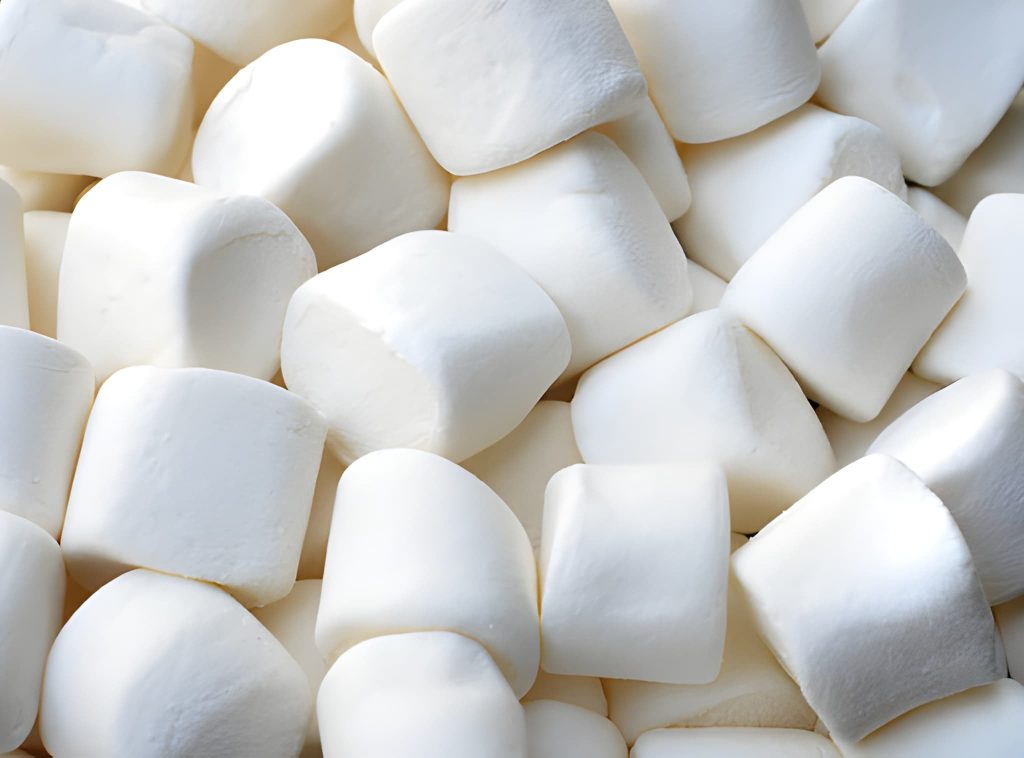
Checking for Xylitol
Xylitol appears in many sugar-free products now. This sweetener saves calories for humans but destroys dog health. Your dog’s body reacts to xylitol completely differently than yours does.
When a dog eats xylitol, their pancreas releases massive amounts of insulin. Blood sugar drops dangerously low within minutes. This condition called hypoglycemia can cause seizures, coma, and death. Liver damage often follows even if you get treatment quickly.
| Amount of Xylitol | Dog Weight | Potential Effect |
|---|---|---|
| 0.1g | 10 lbs | Hypoglycemia |
| 0.5g | 10 lbs | Liver failure risk |
| 1-2 pieces sugar-free marshmallow | Small dog | Life-threatening |
Signs of Xylitol Poisoning
Watch for these symptoms if your dog ate any marshmallow:
- Vomiting within 15-30 minutes
- Weakness or collapse
- Stumbling and loss of balance
- Tremors or seizures
- Lethargy
You have very little time to act. Call your vet or emergency animal hospital right away. Don’t wait to see if symptoms develop. By then, the damage may already be severe.
Regular marshmallows without xylitol won’t kill your dog on the spot. But they still cause problems. The high sugar feeds bad bacteria in their mouth. This leads to cavities and gum disease. Your dog might also experience stomach upset, vomiting, or diarrhea from the sugar overload.
Can Dogs Eat Marshmallows as a Treat?
Skip the marshmallows when you want to reward your dog. Dozens of better options exist that won’t harm their health.
Marshmallows fail as dog treats for several reasons. They teach your dog to beg for human food. This creates behavior problems that are hard to break. Your dog learns that whining and staring gets them what they want. Soon they’re bothering you every time you eat anything.
The sugar rush from marshmallows can make dogs hyperactive and difficult to manage. Some dogs get an upset stomach that lasts for hours or even days. Dogs with sensitive digestive systems may develop pancreatitis from the sugar and corn syrup. This painful condition requires veterinary care and can become life-threatening.
Think about what treats should do. They should reward good behavior and provide some nutrition. Marshmallows do neither. You’re basically giving your dog flavored air with sugar. That’s the opposite of responsible pet ownership.
Better treat alternatives:
- Baby carrots (crunchy and low calorie)
- Blueberries (antioxidants and vitamins)
- Green beans (fiber and nutrients)
- Small apple pieces without seeds
- Plain cooked chicken or turkey
These options give your dog something to enjoy while supporting their health. They cost less than most commercial treats too. Your dog gets excited about healthy snacks just as much as junk food. You just need to make healthy choices the normal routine.
Can Dogs Eat Marshmallows Without Xylitol?
A single regular marshmallow probably won’t hurt a healthy adult dog. But “probably” isn’t the same as “definitely safe.”
You should still avoid giving marshmallows to your dog even when xylitol isn’t present. The sugar content remains excessive. One marshmallow contains about 4 grams of sugar. That might not sound like much, but dogs need zero added sugar in their diet. Their bodies aren’t designed to process refined sugars like ours are.
Dogs who eat sugary foods regularly face serious health consequences. Obesity tops the list. Extra weight puts stress on joints, hearts, and organs. Overweight dogs develop diabetes at higher rates. They have shorter lifespans and lower quality of life. All from too many treats and table scraps.
Dental problems accelerate with sugar consumption. The bacteria in your dog’s mouth love sugar just like human mouth bacteria do. They use it to produce acids that eat away at tooth enamel. Your dog can’t brush their teeth or use mouthwash. Once the damage starts, it only gets worse without professional dental cleaning.
When Accidents Happen
Maybe your dog grabbed a marshmallow when you weren’t looking. Here’s what to do:
First, check the package ingredients immediately. Look for xylitol, birch sugar, or any artificial sweeteners. If you find these ingredients, call your vet right now. Don’t debate or research online. Pick up the phone.
If the marshmallow contains only regular sugar, watch your dog closely for the next 24 hours. Make fresh water available. Most dogs will be fine after eating one regular marshmallow. Some might vomit or have loose stools. These symptoms usually pass on their own.
Related: Can Dogs Eat Baking Soda? #1 Safety Guide for Worried Pet Owners
Can Dogs Eat Marshmallows One Time?
One marshmallow usually won’t create an emergency if it’s xylitol-free. But this doesn’t make it okay.
The problem with “just one time” thinking is that it rarely stays at one time. You give your dog a marshmallow today. Tomorrow they beg for another. Next week they’re stealing food off the counter. Breaking these patterns takes weeks of training. Prevention saves you all that trouble.
Dogs also can’t understand special occasions. You might think giving a marshmallow at a campfire is a fun memory. Your dog just learns that campfires mean sweet treats. They’ll expect marshmallows every time you roast them. This creates frustration for both of you.
| Scenario | Risk Level | Action |
|---|---|---|
| 1 regular marshmallow, large dog | Low | Monitor for 24 hours |
| 1 sugar-free marshmallow, any dog | Severe | Emergency vet visit |
| Multiple marshmallows, any dog | Moderate to High | Call vet for advice |
| Small dog, any marshmallow | Moderate | Watch closely, contact vet |
Your dog trusts you to make good choices for them. They don’t know what’s healthy or dangerous. That’s your job as their owner. Choosing not to share marshmallows shows you take that responsibility seriously.
Dogs thrive on routine and consistency. When you establish clear boundaries about human food, life gets easier. Your dog stops begging because they know it doesn’t work. Mealtimes become peaceful. You can enjoy your snacks without guilty feelings or worried glances at your pet.
The temporary joy your dog gets from a marshmallow isn’t worth the potential problems. They’ll be just as happy with a healthy treat or extra playtime. Those options show love without risking their wellbeing.
Conclusion
Marshmallows belong in your pantry, not in your dog’s bowl. The risks far outweigh any momentary pleasure your pup might experience. Xylitol can kill, and regular sugar damages health over time. Choose treats that nourish your dog instead of creating problems. Your furry friend depends on you to keep them safe and healthy.