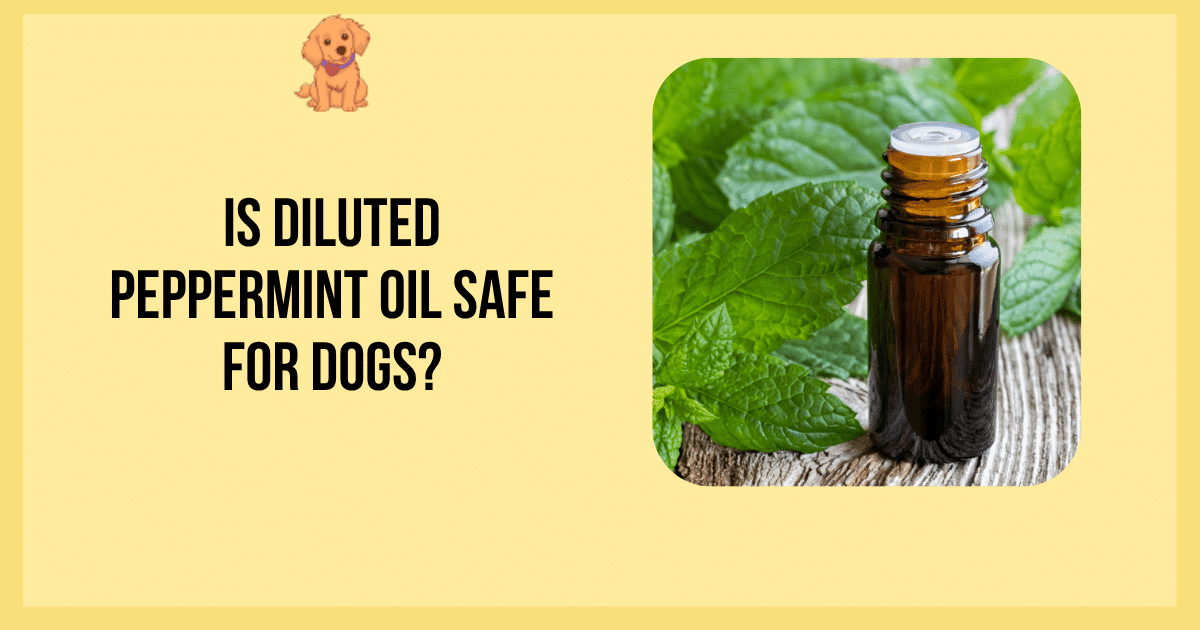
Dogs have a sense of smell up to 100,000 times stronger than humans. That one fact changes everything about how you use essential oils at home. What smells like a light, refreshing scent to you can feel like a wall of fumes to your dog. Before you reach for that bottle of peppermint oil, here is what you need to know.
Is Diluted Peppermint Oil Safe for Dogs to Smell?
This is one of the most searched pet safety questions online. The short answer is no — not fully. Diluted peppermint oil is less harmful than the pure form, but it is still not safe for dogs to smell regularly or in enclosed spaces.
Why Dilution Does Not Mean Safe
Peppermint oil contains two main compounds: menthol and menthone. These are what give peppermint its strong scent. Diluting the oil lowers the concentration of these compounds. It does not remove them.
Your dog’s nose picks up even tiny amounts in the air. Their respiratory system reacts to those compounds the same way it would to a stronger version — just with slightly less intensity.
What the ASPCA Says
The ASPCA lists peppermint as a substance that can cause adverse reactions in dogs. Symptoms from exposure include:
- Coughing and sneezing
- Watery or red eyes
- Excessive drooling
- Pawing at the nose or face
- Lethargy or restlessness
If your dog shows any of these signs after smelling peppermint oil, move them to fresh air straight away and call your vet.
What Happens When Dogs Smell Peppermint Oil?
The reaction your dog has depends on a few things. The concentration of oil, the size of the room, and your dog’s age and health all play a role.
Here is a quick breakdown:
| Factor | Lower Risk | Higher Risk |
| Room size | Large with open windows | Small and enclosed |
| Concentration | 1% or less | Undiluted or high % |
| Dog’s age | Healthy adult | Puppy or senior |
| Health status | No respiratory issues | Asthma or liver disease |
| Exposure time | Brief and one-time | Regular or ongoing |
How Dogs Process Essential Oils
Dogs process aromatic compounds through their liver. Puppies and senior dogs have less efficient liver function. This makes them far more vulnerable to the effects of essential oils, including diluted versions.
A healthy adult dog might show no reaction. A senior dog with a weaker liver could have a stronger response to the same amount.
The Nose Factor
A dog’s nose has around 300 million olfactory receptors. Humans have about 6 million. When peppermint oil enters a room, your dog is not getting a light whiff. They are getting the full sensory impact at a level you cannot experience yourself.
This is why even a “small” amount of diluted peppermint oil can feel overwhelming to them.
Is Diluted Peppermint Oil Safe for Dogs in a Diffuser?
Diffusers spread oil particles through the air constantly. This creates ongoing exposure for your dog, which is the most problematic type of contact.
Passive vs Active Diffusers
There are two types to be aware of:
Passive diffusers (reed diffusers, sachets) release scent slowly. The concentration in the air stays lower. Still not ideal for dogs but less intense than active types.
Active diffusers (ultrasonic, nebulizing) push oil particles directly into the air. These create a much higher concentration of airborne compounds. This is the type vets warn about most.
What to Do If You Use a Diffuser
If you do use a peppermint oil diffuser in your home, follow these steps:
- Keep your dog completely out of the room while it runs
- Air the room out fully before letting your dog back in
- Never run a diffuser in a room where your dog sleeps
- Watch your dog after re-entering for any signs of irritation
Safe Alternatives to Peppermint Oil for Dog Owners
You do not have to give up a fresh-smelling home. There are pet-friendlier options that work well.
Essential Oils That Are Generally Better Tolerated
Some essential oils are considered lower risk around dogs when used correctly:
- Lavender — calming scent, less irritating to dogs when heavily diluted
- Chamomile — mild and gentle, often used in pet grooming products
- Cedarwood — sometimes used as a natural flea deterrent in pet products
Always check with your vet before using any essential oil around your dog. Even safer options can cause reactions in some dogs.
Pet-Safe Air Fresheners
Many brands now make air fresheners and sprays that are free from compounds harmful to pets. Look for products that are:
- Free from phenols and ketones
- Labeled as pet-safe
- Made without synthetic fragrances
These keep your home smelling clean without putting your dog at risk.
Natural Options That Skip Oils Entirely
- Baking soda on carpets (vacuum after 15 minutes)
- White vinegar diluted in water as a surface cleaner
- Activated charcoal bags to absorb odors
- Good ventilation and regular washing of pet bedding
Quick Answer: Can Dogs Smell Peppermint Oil at All?
Your dog can physically smell peppermint oil. The question is whether it is safe for them to do so. The answer depends on the amount and how often they are exposed.
A one-time brief exposure to a very diluted form in a large ventilated room is unlikely to cause serious harm to a healthy adult dog. Regular exposure, enclosed spaces, or use around puppies and senior dogs is a different matter entirely.
The safest choice is to keep peppermint oil away from your dog’s environment. If you want to use it for yourself, do it in a space your dog does not access.
Short Conclusion
Diluted peppermint oil is safer than pure peppermint oil — but it is not safe for dogs to smell on a regular basis. The compounds inside it still irritate their respiratory system, and their powerful nose makes the impact stronger than you might expect.
Swap it out for a pet-safe alternative and your dog stays comfortable. Check out our collection of pet-friendly home products that keep your space fresh without the risk.