
If you’ve ever enjoyed a sweet bowl of Jello and noticed your dog staring at you with those big, pleading eyes, you might have wondered, “Can dogs eat Jello?” As a pet owner, it’s natural to want to share treats with your furry friend, but not everything safe for humans is safe for dogs.
Jello may look harmless, but depending on how it’s made, it can range from a harmless occasional snack to something risky for your pet’s health.
Let’s talk about what’s in Jello and whether it has any place in your dog’s diet.
Can Dogs Eat Jello Safely?
Yes, dogs can consume some plain Jello; however, it is not recommended. The majority of Jello that is available in stores is heavily packed with sugar or artificially sweetened products. These ingredients aren’t good for a dog’s digestive system.
Some sugar-free versions contain xylitol, which is toxic to dogs. Even without harmful additives, Jello offers no nutrition—just empty calories.
What Ingredients in Jello Could Harm a Dog?
| Ingredient | Risk for Dogs |
|---|---|
| Sugar | Leads to weight gain, dental problems, and upset stomach. |
| Xylitol | Highly toxic—can cause seizures, liver failure, or death. |
| Artificial Colors | May trigger allergies or sensitivity in some dogs. |
| Artificial Flavors | Can upset the stomach and cause vomiting or diarrhea. |
| Gelatin (plain) | Not harmful, but offers no real nutritional benefit. |
Can Dogs Eat Sugar-Free Jello?
This is one question almost every dog parent asks: Is sugar-free Jello safe for dogs?
The clear answer is no—it’s not safe at all.
Many sugar-free Jello products include xylitol, an artificial sweetener known to be toxic to dogs.
Even a tiny amount of xylitol can cause serious health problems for your pet. Xylitol, once consumed, is rapidly taken up by the blood, resulting a fast insulin release.
This rapid insulin spike can make your dog’s blood sugar drop dangerously low, which is a condition called hypoglycemia.
This explains why dogs cannot tolerate sugar-free Jello that contains xylitol:
- Sudden blood sugar drop – Can happen within 10–60 minutes after eating, leading to weakness, loss of coordination, and seizures.
- Liver damage – Dogs who consume xylitol may experience liver failure within 24 hours.
- Seizures – Low blood sugar and liver toxicity can trigger life-threatening seizures.
- Vomiting and diarrhea – Even before the severe symptoms start, your dog may show signs of stomach upset.
- Death – In severe cases, xylitol poisoning can be fatal if not treated immediately.
If your pet dog consumes sugar-free Jell-O or any xylitol product, don’t delay calling your veterinarian or an emergency animal hospital.
Dogs have no safe amount of xylitol—it should be avoided completely.
Can Dogs Eat Cherry Jello?
No, dogs should not eat cherry Jell-O.
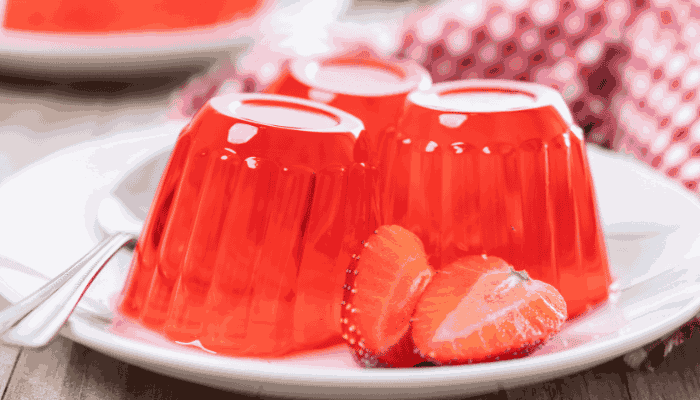
The bright red dessert you see in stores is usually loaded with ingredients far from healthy for dogs.
While it may look harmless and fun, the reality is that flavored Jell-O—especially cherry—comes with multiple risks.
Here’s why cherry Jell-O is a bad idea for dogs:
1. High Sugar Content
- Most store-bought cherry Jell-O contains a large amount of sugar.
- Excessive consumption of sugar can result in obesity for your dog, dental caries, and it can also be a factor in the development of diabetes in your pet over time.
- Dogs have a different anatomy than humans, which makes their bodies unable to process sugar as ours; thus, small amounts of sugar can cause them to have an upset stomach.
2. Artificial Sweeteners (Xylitol Risk)
- Many sugar-free cherry Jell-O mixes replace sugar with xylitol, which is toxic to dogs.
- Xylitol can cause hypoglycemia to the point where it can lead to seizures, liver failure, and even death.
3. Artificial Flavors and Colors
- The “cherry” taste in Jell-O doesn’t come from actual cherries but from artificial flavorings.
- Red food dyes have been known to cause allergic reactions or digestive problems in sensitive dogs.
No Nutritional Benefit
- Cherry Jell-O offers zero vitamins, minerals, or real nutrition for your dog—it’s all empty calories.
The Safe Alternative
If you want to give your dog a wobbly, fun snack, make unflavored gelatin at home. Use plain gelatin powder, mix it with water or a small amount of dog-safe broth, and let it set.
What to Do if a Dog Eats Too Much Jello?
If your dog accidentally eats too much Jello, staying calm is the first step. Here’s what you should do to keep your pet safe:
1. Check the Ingredients
Quickly find out what kind of Jello your dog ate. Keep an eye out for chemicals such as sugar or artificial sweeteners like xylitol. If it contains xylitol, this is an emergency, and you should act immediately.
2. Watch for Symptoms
Keep a close eye out for any signs of discomfort in your dog. Symptoms like vomiting, diarrhea, weakness, loss of coordination, excessive drooling, or seizures require urgent veterinary attention.
3. Contact Your Veterinarian
Call your vet as soon as possible to describe what happened and what ingredients were in the Jello. They can give you advice on whether to keep an eye on your dog at home or bring them in.
4. Avoid Home Remedies Without Vet Guidance
Do not try to induce vomiting or give your dog any medication without professional advice. Some treatments can do more harm than good if not done correctly.
5. Offer Fresh Water
Make sure your dog has access to clean, fresh water to help flush out any toxins or excess sugar from their system.
6. Prevent Future Incidents
Keep Jello and other human foods well out of your dog’s reach. Training your dog to avoid counter-surfing can help prevent accidental eating of unsafe foods.
7. Know Emergency Numbers
Have the numbers of a local emergency animal hospital and your veterinarian close at hand. Quick access to professional help can save your dog’s life in serious situations.
Acting quickly and responsibly can make all the difference if your dog eats too much Jello. If you are confused or uncertain, be sure to contact your veterinarian.
Final Thoughts
I would not recommend offering Jello to your dog or to friends and family who own dogs. While it might seem like a harmless treat, Jello contains ingredients that can upset your dog’s digestive system or even cause serious health problems.
There are many safer and healthier options to share with your furry friends that won’t put their well-being at risk.
Keeping your dog’s diet simple and focused on nutritious, dog-friendly foods is always the best choice.
Key Points Discussed
- Dogs can eat plain Jello, but it’s not recommended due to sugar and additives.
- Sugar and artificial sweeteners, especially xylitol, in Jello can be harmful or toxic to dogs.
- Cherry and other flavored Jell-O often contain artificial colors and sweeteners that pose health risks.
- Homemade, plain gelatin made with dog-safe ingredients is a safer alternative.
- If a dog eats too much Jello, monitor symptoms closely and contact a veterinarian immediately.
- Avoid giving dogs any human treats that contain unknown or harmful ingredients.
- Always keep emergency vet contacts handy in case of accidental ingestion.