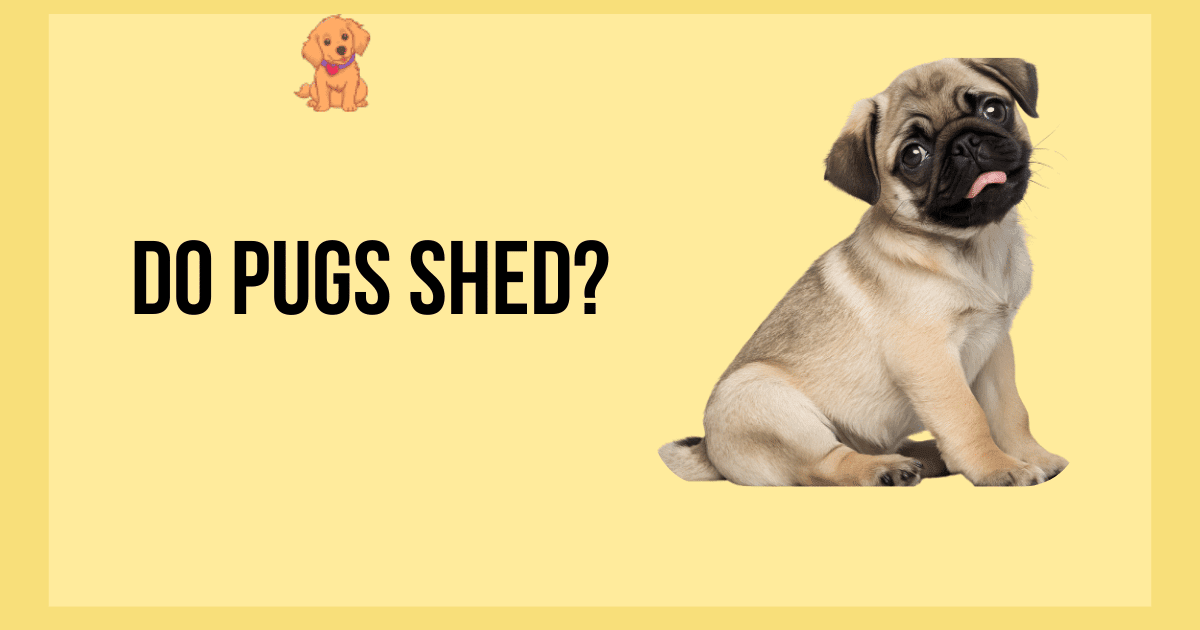
You just looked down at your black pants and saw a coating of fine tan fur. Again. Your pug is curled up beside you looking innocent while your couch resembles a furry blanket. Do pugs shed enough to warrant this constant battle with hair? The answer might shock you. Understanding pug shedding helps you prepare for life with these adorable little furballs and manage the fur situation before it takes over your home.
Key Takeaways
- Pugs shed heavily year round with extra fur during spring and fall seasonal changes
- Most fawn pugs have double coats while many black pugs have single coats that shed less
- Daily brushing removes loose hair before it spreads throughout your home
- Pug coats contain roughly 600 hairs per square inch compared to 100-200 in other breeds
- Bathing once monthly helps release trapped dead hair and reduce overall shedding
- Diet quality directly affects coat health and the amount of fur your pug loses
- Grooming gloves and de-shedding tools work better than regular brushes for pug coats
Do Pugs Shed?
Yes, pugs shed constantly throughout the entire year. This small breed produces surprising amounts of fur that clings to everything you own. Pug shedding ranks among the heaviest of all dog breeds.
The short coat fools many people into thinking pugs are low maintenance. That fine, dense fur actually sheds more than many long-haired breeds. Each tiny hair floats through your house and attaches to fabric with incredible persistence.
Do pugs shed more than other small dogs? Absolutely. Compared to breeds like poodles or maltese that barely shed at all, pugs release massive amounts of hair. Your vacuum cleaner will get a serious workout.
Most pugs have double coats with two complete layers of fur. The soft undercoat provides insulation while the outer coat protects skin from dirt and sun. Both layers shed regularly, creating the continuous fur fest pug owners know well.
Why Pug Shedding Feels Overwhelming
The texture and quantity of pug hair makes it particularly troublesome. Each individual hair is fine and short, which lets it weave into fabric fibers. You cannot simply brush these hairs off your clothes like you might with longer fur.
Pug coats pack approximately 600 hairs per square inch. Other breeds average just 100 to 200 hairs in the same space. More hair per inch means exponentially more shedding when those hairs release.
The hair growth cycle in pugs moves faster than many breeds. Hair goes through three stages: growth, rest, and shed. Pugs complete this cycle rapidly, meaning they constantly drop old hair while growing new strands.
Black versus fawn coloring affects how noticeable the shedding appears. Fawn pugs leave light colored hairs that stand out on dark furniture and clothing. Black pugs shed darker hairs that show up clearly on light fabrics. Either way, you notice the fur.
Understanding Double Coats vs Single Coats
Most fawn, apricot, and silver pugs have double coats. This means they possess both a dense undercoat and a short topcoat. Double the layers equals double the shedding potential.
The undercoat serves as insulation to regulate body temperature. This layer becomes thicker in winter and sheds heavily in spring. The topcoat protects against moisture, dirt, and sun damage. It sheds consistently throughout the year.
Some black pugs have single coats with just one layer of fur. These dogs shed moderately rather than heavily. Single coat pugs still release plenty of hair but not at the extreme levels of their double-coated relatives.
You cannot change your pug’s coat type. Genetics determine whether your dog has one layer or two. If you want less shedding, choosing a black pug increases your chances of getting a single coat.
How to Tell What Coat Type Your Pug Has
Look closely at your pug’s fur. Part the hair and examine the layers. Double coated pugs show a distinct soft, fluffy underlayer beneath the outer coat.
Single coated pugs have uniform fur texture throughout. When you part the hair, you see the same type of fur from skin to surface with no obvious second layer underneath.
The amount your pug sheds provides clues about coat type. Extreme shedding that covers everything in sight usually indicates a double coat. Moderate shedding suggests a single coat.
Ask your veterinarian during a routine checkup. They can examine your pug’s coat and confirm whether your dog has one or two layers. This information helps you plan appropriate grooming strategies.
Seasonal Shedding Patterns
Pugs shed constantly but spring and fall bring dramatic increases. These seasonal changes are called blowing the coat. Your pug releases massive amounts of dead hair over several weeks.
Spring shedding happens when longer days trigger the body to drop the thick winter coat. Your pug needs lighter fur as temperatures warm up. This transition produces piles of loose hair.
Fall shedding occurs when daylight hours decrease. The body sheds the light summer coat to make room for thicker winter insulation. This seasonal change creates another major fur explosion.
Changes in temperature and sunlight hours trigger these cycles. Indoor pugs experience less dramatic seasonal shedding because artificial lighting and climate control confuse their natural responses. They still shed more in spring and fall but the increase is less extreme.
Managing Peak Shedding Seasons
Increase brushing frequency during spring and fall. Daily brushing becomes twice daily during coat blowing seasons. This extra effort removes loose hair before it spreads through your house.
Schedule professional grooming or a thorough bath right as seasonal shedding begins. This helps release the bulk of dead hair all at once. Many groomers offer blow out services specifically for shedding season.
Consider outdoor brushing during heavy shedding periods. Taking your pug outside for grooming sessions keeps the worst of the flying fur outside your home. Birds will appreciate the nest building material.
Vacuum more frequently and clean air filters often during peak shedding times. The increased hair in your environment clogs filters faster and settles on surfaces more quickly. Stay ahead of the mess with proactive cleaning.
You may also read: What Vaccines Do Dogs Need? #1 Full Detailed Guide
Factors That Affect How Much Pugs Shed
Several elements influence the quantity of fur your pug loses. Some factors you can control while others depend on genetics and biology.
Age and Life Stage
Puppies shed minimally compared to adult pugs. Young pups have softer, thinner coats that hold onto hair better. You enjoy a brief honeymoon period of lighter shedding during the first year.
Shedding increases dramatically once pugs reach 12 to 18 months old. Adult coat development brings the full force of pug shedding into your life. This transition often surprises new owners who thought their puppy would stay relatively shed-free.
Senior pugs may shed differently than young adults. Some older dogs shed less while others experience increased hair loss. Age related health changes affect coat condition and shedding patterns.
Diet and Nutrition
Food quality directly impacts coat health and shedding levels. Poor nutrition creates dry, brittle hair that breaks easily and sheds excessively. High quality food with proper nutrients supports healthier fur.
Protein provides building blocks for hair growth. Look for dog foods listing specific animal proteins as the first ingredients. Chicken, fish, beef, and lamb supply amino acids your pug needs for coat health.
Omega-3 and omega-6 fatty acids strengthen hair and reduce shedding. Fish oil, flaxseed oil, and certain animal fats contain these beneficial nutrients. Many premium dog foods include adequate fatty acids in their formulas.
Some pug owners add supplements to regular meals. Omega-3 supplements, specifically EPA and DHA from fish oil, can improve coat condition. Always consult your veterinarian before starting supplements to ensure proper dosing.
Health Conditions
Allergies cause increased shedding in pugs. Environmental allergens like pollen, dust, or cleaning products irritate skin and trigger excess hair loss. Food allergies produce similar effects.
Watch for signs of allergic reactions paired with heavy shedding. Excessive scratching, licking paws, red skin, and recurring ear infections suggest allergy problems. Your veterinarian can test for allergies and recommend treatments.
Hormonal imbalances affect shedding patterns. Thyroid problems, Cushing’s disease, and other endocrine disorders can increase fur loss. Unusual shedding patterns warrant a veterinary checkup to rule out health issues.
Parasites like fleas, ticks, and mites damage skin and cause excessive shedding. Keep your pug current on preventive medications to avoid these problems. Even indoor dogs need parasite protection.
Stress triggers increased shedding in dogs. Major life changes, new pets, moving houses, or loud noises can stress your pug. Minimizing stressors helps reduce stress-related hair loss.
Bathing Frequency
Bathing releases trapped dead hair from the coat. You might notice significant shedding during and after bath time. This is actually good because it removes hair that would have fallen out gradually around your house.
Monthly bathing works well for most pugs. More frequent baths can dry out skin and paradoxically increase shedding. Less frequent bathing allows dead hair to accumulate in the coat.
Use quality dog shampoo designed for shedding control. Anti-shed formulas help optimize the bath’s effect on removing loose fur. Choose products that won’t strip natural oils from skin and coat.
Dry your pug completely after bathing. Moisture trapped in wrinkles and skin folds creates bacterial growth and potential skin infections. These problems can worsen shedding.
Female Hormone Cycles
Unspayed female pugs experience hormonal fluctuations during heat cycles. These hormonal changes often trigger increased shedding toward the end of each cycle.
The shedding surge happens as estrogen and progesterone levels shift. Your female pug might lose noticeably more hair for several weeks surrounding her heat period.
Spaying eliminates these cyclical hormone changes. Many owners report more consistent shedding levels after spaying their female pugs. This creates one less variable affecting the amount of fur in your home.
Best Tools for Managing Pug Shedding
The right equipment makes controlling pug hair much easier. Different tools serve specific purposes in your grooming arsenal.
Grooming Gloves and Mitts
Grooming gloves slip onto your hands like regular gloves but feature rubber nubs or bristles on the palms. These tools let you pet your pug while simultaneously removing loose fur.
Most pugs enjoy grooming gloves because they feel like a massage. The rubber tips reach through dense fur to grab loose hair without pulling. This method works especially well for dogs that dislike traditional brushing.
Grooming gloves offer convenience for quick daily touch-ups. Keep a pair by your couch for removing fur during cuddle time. Five minutes of petting with gloves removes surprising amounts of hair.
These tools work on both single and double coated pugs. The gentle approach makes them suitable for sensitive dogs or those new to grooming routines.
De-Shedding Tools
De-shedding tools feature metal teeth designed to reach deep into double coats. These specialized rakes pull out loose undercoat fur that regular brushes miss.
The FURminator remains the most popular de-shedding tool brand. The stainless steel edge grabs dead hair from the undercoat without cutting or damaging the topcoat. Results can be dramatic during heavy shedding seasons.
Use de-shedding tools carefully and sparingly. Too much pressure or overuse irritates skin. Limit these tools to once or twice weekly during normal periods, daily during seasonal coat blowing.
De-shedding tools work best on fawn pugs with double coats. Black pugs with single coats need these tools less frequently since they lack the thick undercoat.
Slicker Brushes
Slicker brushes have short, fine wire bristles set close together. The bristles grab loose hair and work through the dense pug coat effectively.
These brushes excel at daily maintenance brushing. The design removes surface debris and distributes natural oils through the coat. Regular slicker brush use keeps coats healthier and shinier.
Choose a slicker with a comfortable grip since you’ll use it frequently. Some models feature retractable bristles that make cleaning easier. Simply push a button to release accumulated fur.
Brush gently with slicker tools to avoid scratching sensitive skin. Work in the direction of hair growth using light pressure. Cover all areas including legs, belly, and tail.
Rubber Curry Brushes
Rubber curry brushes feature soft rubber nubs arranged in a circular or oval pattern. These gentle tools massage skin while lifting loose hair and distributing natural oils.
Curry brushes work wonderfully during bath time. Use them to work shampoo through the coat and help release dead hair. The rubber material won’t damage wet fur like metal tools might.
Many pugs find curry brushes relaxing. The massaging action feels good and promotes bonding during grooming sessions. This makes curry brushes perfect for dogs that resist other grooming tools.
These brushes work on all coat types and are especially good for sensitive pugs. The non-abrasive surface prevents irritation even with daily use.
Effective Grooming Routines
Consistency matters more than any single grooming session. Establishing regular routines keeps shedding under control.
Daily Brushing Protocol
Set aside 10 to 15 minutes each day for brushing your pug. This small time investment dramatically reduces loose fur around your house. Make it part of your daily routine like morning coffee or evening television.
Start brushing at the head and work toward the tail. Cover one side completely before moving to the other. Don’t forget legs, belly, chest, and under the tail.
Use smooth, gentle strokes following the direction of hair growth. Avoid scrubbing back and forth which can irritate skin and create static. Work methodically to ensure you cover every area.
Remove accumulated hair from your brush frequently during the session. This keeps the tool working efficiently and lets you see how much fur you’re removing. You’ll be amazed at the quantity.
Bath Time Best Practices
Bathe your pug once monthly using lukewarm water. Temperature extremes stress dogs and can damage skin. Test water on your wrist like you would for a baby bath.
Wet the coat thoroughly before applying shampoo. Pug fur is dense and water resistant. Make sure you saturate all layers before adding cleanser.
Work shampoo deep into the coat using your fingers or a rubber curry brush. Pay special attention to wrinkles, leg folds, and around the tail. These areas trap dirt and dead hair.
Rinse completely until water runs clear. Leftover shampoo residue causes dry, itchy skin that can worsen shedding. Keep rinsing longer than you think necessary.
Dry your pug with towels first. Squeeze excess water from the coat gently. Then use a blow dryer on the cool setting if your dog tolerates it. Never use hot air which can burn sensitive skin.
Wrinkle Care During Grooming
Clean facial wrinkles daily even on non-bathing days. These folds trap moisture, food, and bacteria. Infected wrinkles cause discomfort and can affect overall coat health.
Use pet-safe wipes or a damp washcloth to clean between wrinkles. Wipe gently but thoroughly in each fold. Pay special attention to the deep wrinkle over the nose.
Dry wrinkles completely after cleaning. Moisture creates perfect conditions for yeast and bacterial growth. Cotton balls or soft cloths work well for drying these areas.
Check the tail pocket if your pug has one. This fold at the tail base requires the same careful cleaning as facial wrinkles. Infected tail pockets contribute to overall shedding problems.
Home Management Strategies
Living with a shedding pug requires home adaptations. These practical strategies minimize fur accumulation and make cleanup easier.
Strategic Furniture Choices
Choose furniture fabrics that repel pet hair. Leather and tightly woven materials release fur more easily than loose weaves and velvet. Avoid fabrics with loops that trap hair permanently.
Select furniture colors that match or complement your pug’s fur color. Fawn colored upholstery camouflages light hair while dark furniture hides black pug fur. This won’t reduce shedding but makes it less noticeable.
Cover favorite lounging spots with washable blankets or furniture throws. Designate specific areas where your pug can relax. Washing these covers weekly keeps furniture underneath cleaner.
Create pug-free zones in your home if possible. Keeping bedrooms or certain rooms off limits reduces the spread of fur. This works especially well for people with mild pet allergies.
Cleaning Tools and Techniques
Invest in a quality vacuum designed for pet hair. Look for models with strong suction, HEPA filters, and attachments specifically for upholstery. Regular vacuums often clog quickly with pug fur.
Vacuum at least three times weekly during normal shedding periods. Increase to daily vacuuming during spring and fall coat blowing seasons. Focus on areas where your pug spends most time.
Keep lint rollers everywhere you might need them. Place them by the door, in your car, at work, and near your couch. Quick touch-ups before leaving the house save embarrassment.
Damp rubber gloves remove pet hair from upholstery effectively. Put on kitchen gloves and run your hands over furniture. The rubber grabs hair that vacuum cleaners miss.
Wash bedding and throws weekly in hot water. High temperatures help release embedded fur from fabric. Add a fabric softener or dryer sheet to reduce static that attracts hair.
Wardrobe Adjustments
Store clean clothes in closed closets and drawers. Pug fur floats through air and settles on exposed clothing. Keeping garments protected reduces the amount of hair you wear.
Avoid wearing black or dark clothes if you have a fawn pug. Similarly, skip light colored clothing if you own a black pug. Choose colors that hide rather than highlight stray hairs.
Keep a lint roller or pet hair removal brush in your car. Give yourself a quick once-over before important meetings or events. This takes 30 seconds and prevents fur-covered appearances.
Designate specific clothing for at-home wear. These “pug clothes” can get as furry as they want. Change into clean, hair-free clothing when you need to look presentable.
When to Worry About Excessive Shedding
Normal pug shedding is heavy but certain signs indicate problems requiring veterinary attention. Know the difference between typical shedding and medical issues.
Warning Signs of Abnormal Hair Loss
Bald patches or thinning areas suggest problems beyond normal shedding. These bare spots indicate skin disease, parasites, or hormonal imbalances. Schedule a vet appointment if you notice patchy fur loss.
Skin changes accompanying hair loss need evaluation. Red, inflamed, crusty, or scaly skin points toward allergies, infections, or other dermatological conditions. Normal shedding doesn’t damage the skin underneath.
Intense itching paired with increased shedding often signals allergies or parasites. Your pug shouldn’t scratch constantly or bite at their skin. Occasional scratching is normal but excessive scratching is not.
Changes in energy level, appetite, or behavior alongside unusual shedding warrant concern. These combined symptoms might indicate systemic illness affecting coat health. Don’t ignore multiple symptoms occurring together.
Sudden dramatic increases in shedding without obvious cause need investigation. Gradual seasonal increases are normal but rapid changes over days or weeks suggest underlying problems.
Common Medical Causes
Hypothyroidism causes increased shedding, weight gain, and lethargy in dogs. This hormonal condition requires blood tests for diagnosis. Medication controls symptoms and often reduces excessive fur loss.
Cushing’s disease produces hair loss, increased thirst, frequent urination, and pot-bellied appearance. This serious endocrine disorder needs veterinary treatment. The American Kennel Club provides detailed information about canine health conditions.
Fungal infections like ringworm create circular patches of hair loss. These contagious conditions require antifungal medications. Isolate affected dogs from other pets during treatment.
Bacterial skin infections cause localized hair loss, redness, and sometimes discharge. Antibiotics clear these infections and allow hair to regrow normally.
Food allergies manifest through skin problems and increased shedding. Elimination diets help identify problem ingredients. Switching to hypoallergenic formulas often resolves these issues.
Living Successfully With Pug Shedding
Do pugs shed enough to reconsider getting one? Only you can answer that question. The fur is real, constant, and requires management.
Accept that pug ownership means living with dog hair. No amount of grooming eliminates shedding completely. You can control and minimize it but never stop it entirely.
Focus on what you gain rather than the fur you lose. Pugs offer incredible companionship, humor, and affection. Their charming personalities and loving nature make the shedding worthwhile for millions of devoted owners.
Establish routines that make grooming manageable rather than overwhelming. Daily brushing becomes automatic when you do it at the same time each day. Consistency transforms a chore into a bonding ritual.
Budget for quality grooming supplies and occasional professional grooming. These investments save time and frustration while keeping your pug’s coat healthier. Good tools make the job easier and more effective.
Remember that shedding indicates a healthy, normal dog in most cases. Your pug’s body constantly renews their coat. This natural process keeps skin and fur in good condition.
The hair is temporary but the love is permanent. Pug owners universally agree their dogs are worth every lint roller, vacuum bag, and furry outfit. The joy these little dogs bring far outweighs the inconvenience of managing their shedding.
Frequently Asked Questions
Can you stop a pug from shedding completely?
No, you cannot stop pug shedding entirely. Shedding is a natural biological process necessary for coat health. Regular grooming, quality diet, and proper care minimize shedding but never eliminate it completely. Any dog claiming to be a non-shedding pug is not a purebred.
Do black pugs shed less than fawn pugs?
Yes, black pugs typically shed less because most have single coats instead of double coats. Single coated dogs produce less fur overall. Black pugs still shed moderately year round but rarely match the heavy shedding levels of double coated fawn pugs.
How often should I brush my pug to control shedding?
Daily brushing works best for controlling pug shedding. Sessions should last 10 to 15 minutes covering the entire body. During spring and fall seasonal shedding, brush twice daily if possible. Less frequent brushing allows loose hair to accumulate and spread through your home.
Will shaving my pug reduce shedding?
No, shaving does not reduce shedding in pugs. Shaved pugs shed shorter hairs instead of regular length fur. Shaving can damage double coats, causing them to grow back incorrectly. Never shave a pug unless a veterinarian recommends it for medical reasons.
What diet changes help reduce pug shedding?
High quality dog food with named animal proteins as the first ingredients supports coat health. Foods containing omega-3 and omega-6 fatty acids from fish oil or flaxseed strengthen hair and reduce breakage. Some owners add fish oil supplements to meals after consulting their veterinarian.